How to Stop Jumping: Polite Greetings for Dogs, Especially Around Kids
Jumping is one of the most common reasons families reach out for professional dog training, and it is not just annoying. In a home with children, jumping can become a safety issue quickly.
The goal is not to have a dog that is never excited. The goal is to help the dog become more controlled, more aware, and more appropriate during greetings.
A dog can be happy to see people without putting paws on them, knocking over kids, or creating chaos at the door.
The Quick Answer
Jumping is often a sign that a dog has not yet learned how to manage excitement during greetings.
In a professional training plan, polite greetings usually involve:
• Understanding why the dog is jumping
• Creating clearer household expectations
• Building better structure around greetings
• Reducing unsafe or overwhelming situations
• Teaching the dog a more appropriate way to respond
The right plan depends on the dog’s temperament, household routine, and the level of excitement or risk involved.
Why Dogs Jump
Dogs jump because the behavior often gets a result.
For many dogs, jumping may lead to attention, touch, eye contact, movement, or excitement from people. Even when the response is negative, the dog may still experience it as engagement.
This is why jumping can become stronger over time if the dog continues to get a reaction from it.
In many family homes, the behavior is not caused by stubbornness. It is often connected to excitement, habit, lack of structure, or confusion about what is expected during greetings.
Why Jumping Matters in Family Homes
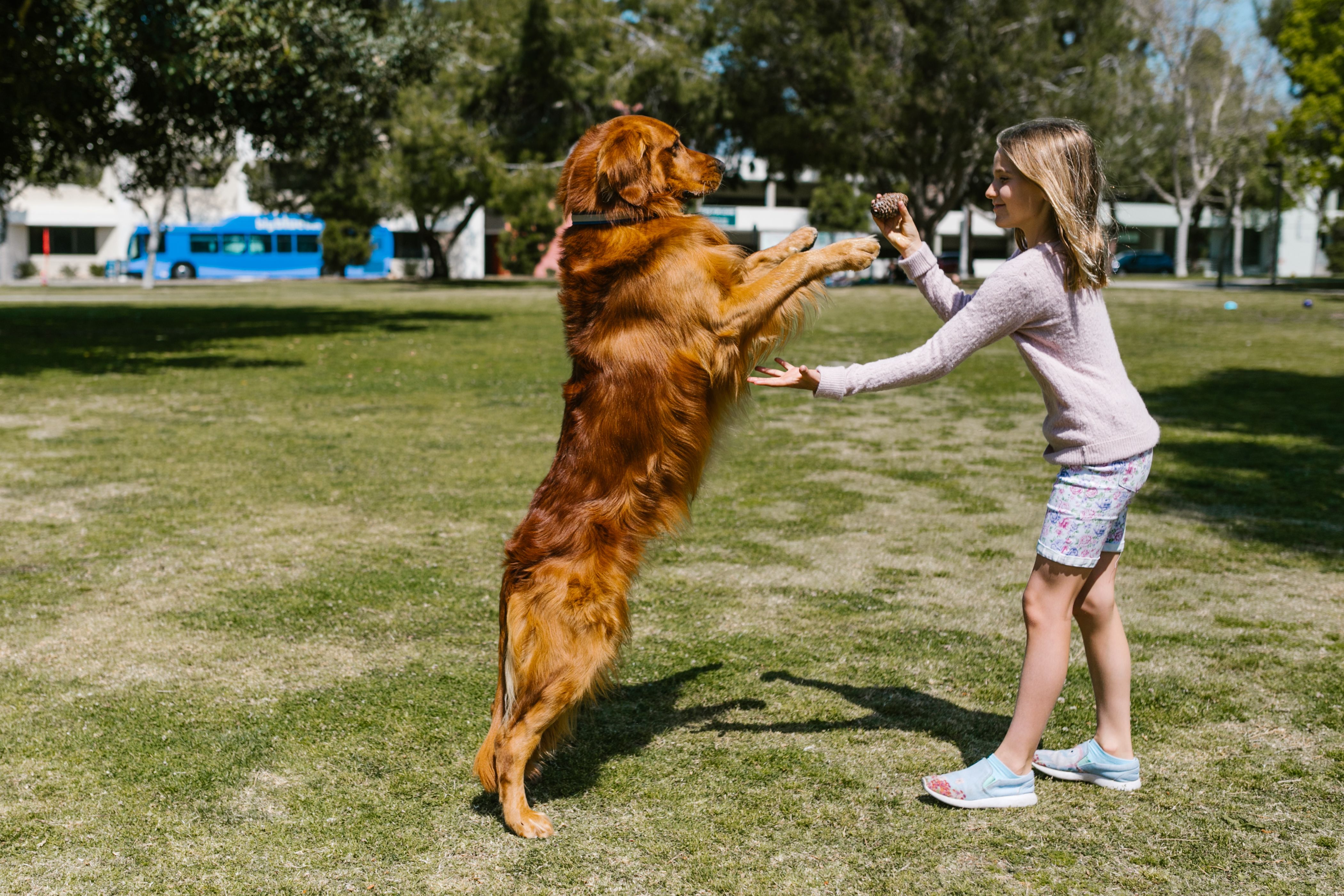
Jumping can be especially challenging when children are involved.
Kids may run, laugh, scream, move quickly, or react strongly when a dog jumps. This can increase the dog’s excitement and make the situation harder to control.
For small children, jumping may lead to scratched skin, falls, fear of the dog, or unsafe interactions. Even a friendly dog can accidentally hurt a child when the greeting becomes too intense.
This is why professional training focuses not only on obedience, but also on safety, structure, and realistic household management.
The Difference Between Excitement and Control
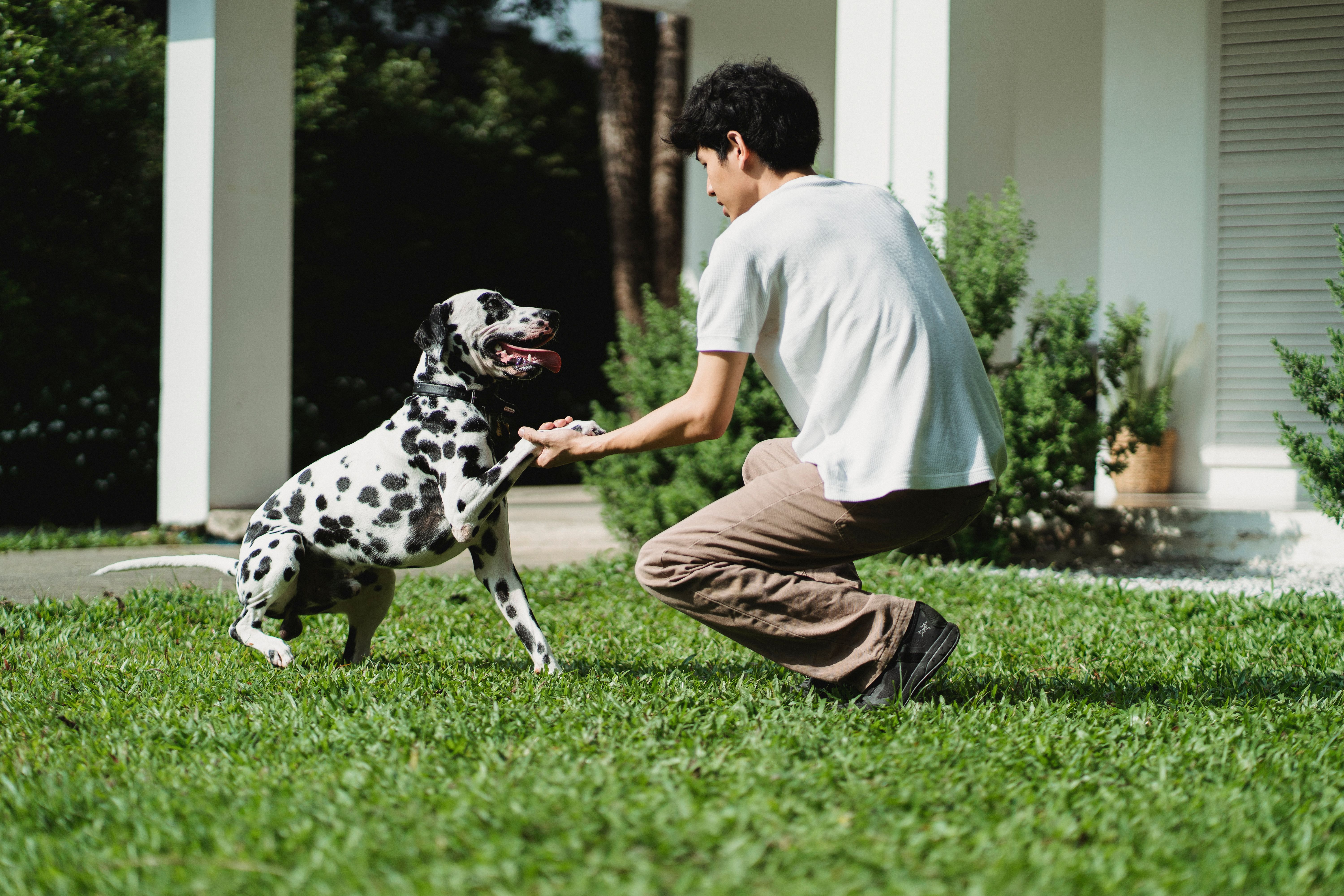
Many dogs that jump are not being aggressive. They are often excited, overstimulated, or unsure how to behave when people enter the home.
However, friendly excitement can still create problems.
A dog that cannot control their body during greetings may also struggle in other real-life situations, such as visitors arriving, children playing, walks in public, or busy family routines.
Polite greetings are about helping the dog develop better self-control and helping the family create a calmer environment.
What Professional Training Looks at
A professional evaluation looks at the full picture behind the jumping behavior.
This may include the dog’s age, temperament, history, energy level, household routine, visitor patterns, and how the family currently responds when the dog becomes excited.
The trainer may also look at whether the dog struggles with impulse control, overstimulation, leash manners, door excitement, or settling in the home.
The goal is to understand what is driving the behavior so the training plan fits the dog and the family.
Common Reasons Jumping Continues
Jumping often continues because the dog has learned that it works.
In some homes, the rules may also be inconsistent. One person may allow jumping, another may correct it, and visitors may accidentally reward it with attention.
This can make the dog confused about what is expected.
Other times, the jumping is connected to too much excitement at the door, lack of structure during greetings, or a dog that has not learned how to settle around people.
A professional plan helps identify which factors are most important in your home.
Why Kids Should Not Be Responsible for Fixing Jumping
Children should not be expected to manage or correct a jumping dog.
Kids are often unpredictable, and their natural reactions can unintentionally increase the dog’s excitement. They may also be too small or inexperienced to safely handle the situation.
When jumping is happening around children, the responsibility should stay with the adults and the training plan should prioritize safety first.
This is one of the reasons a professional evaluation is important for family homes.
What a Good Training Plan Should Provide
A good training plan should give the family a clearer understanding of why the dog is jumping and what needs to change in the home environment.
It should also provide realistic expectations, safety recommendations, and a training direction that fits the dog’s temperament and the family’s daily routine.
For some dogs, the focus may be basic obedience and structure. For others, it may include behavior modification, household management, or more advanced support.
The goal is reliable, polite behavior in real life, not just temporary improvement during a training session.
When Jumping Becomes a Bigger Concern
Jumping should be taken seriously when the dog is knocking children over, mouthing during greetings, ignoring people’s space, becoming harder to interrupt, or escalating around visitors.
It is also important to seek professional help if the jumping is paired with growling, guarding, intense barking, or other concerning behavior.
Early guidance can prevent the behavior from becoming stronger and help create a safer home environment.
FAQ: Quick Answers
Will my dog grow out of jumping?
Not always. Many dogs continue jumping if the behavior keeps getting attention or excitement from people.
Is jumping always aggressive?
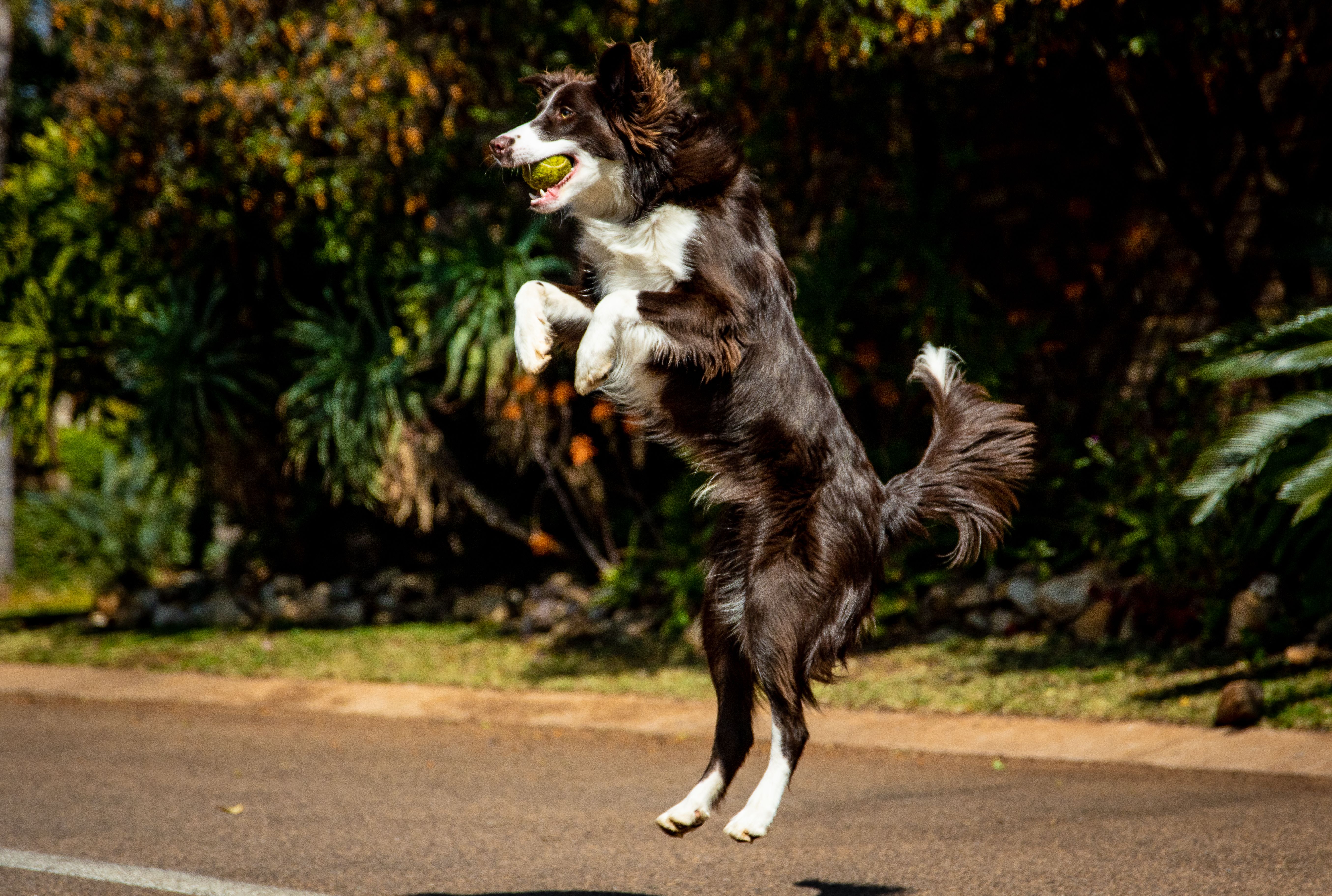
No. Many dogs jump because they are excited or overstimulated. However, even friendly jumping can become unsafe, especially around children.
Why does my dog jump more on guests than family?
Guests often create more excitement, movement, and attention. This can make greeting behavior harder for the dog to manage.
Is this something professional training can help with?
Yes. Professional training can help identify why the jumping is happening and create a structured plan for safer, more polite greetings.
Book an Evaluation
If your dog jumps on guests, knocks kids over, or creates chaos during greetings, start with a professional evaluation.
PacWestK9 can assess your dog’s behavior, temperament, household structure, and safety needs, then help create a training plan that supports more reliable, polite behavior in real life.
Book an evaluation today to get professional guidance tailored to your dog and your family.
Disclaimer
Disclaimer: Every dog is unique and responds differently to training methods and environments. The information provided in this article is for educational purposes only and should not be considered a substitute for professional evaluation or training advice. Contact us today for a personalized evaluation and custom training plan tailored to your dog's specific needs.