Dog Aggression vs Reactivity: What’s the Difference (and Why It Matters)
A reactive dog is not always an aggressive dog. Reactivity is an over-the-top response to a trigger (dogs, people, bikes, noises), often driven by fear, frustration, or lack of skills. Aggression is behavior intended to increase distance or cause harm (threatening, biting, sustained intent).
The difference matters because the safest, fastest training plan depends on the why behind the behavior.
Quick Answers
What is a Reactive Dog?
A reactive dog has big emotional responses to triggers and may bark, lunge, growl, or spin on leash. Reactivity is often rooted in fear, frustration, or overstimulation.
What is an Aggressive Dog?
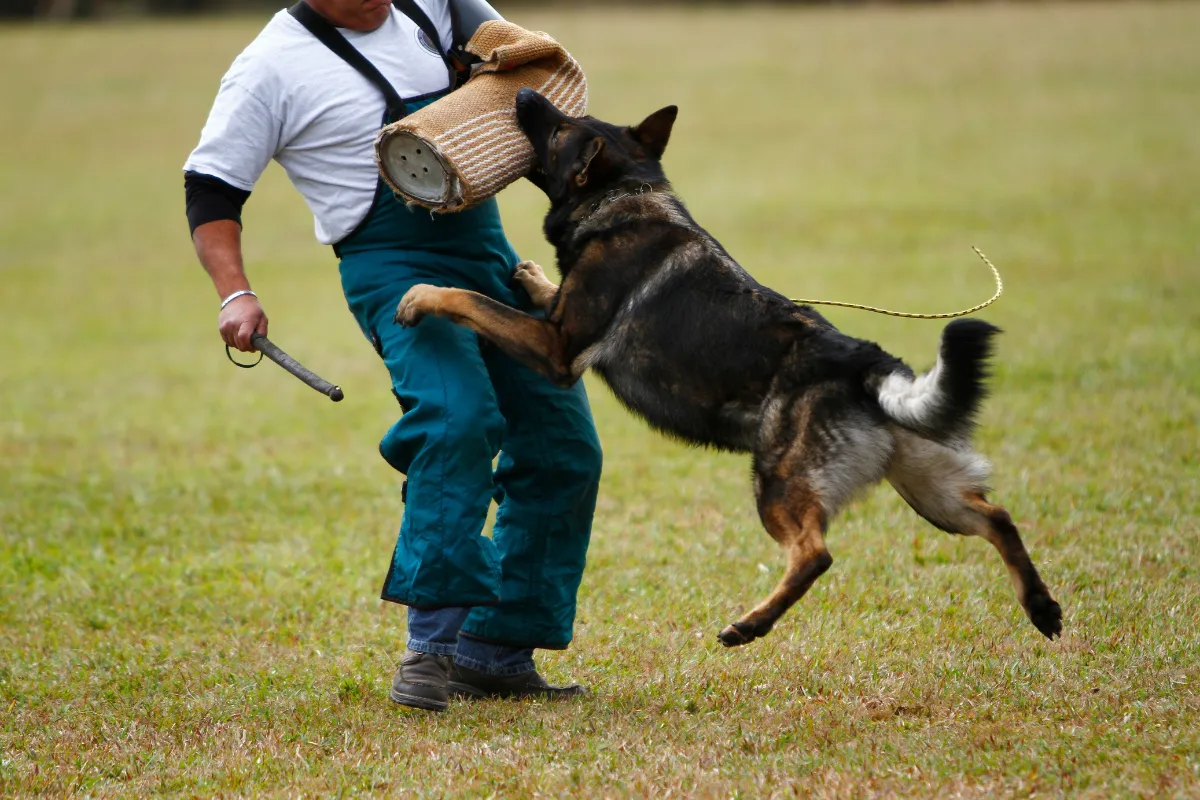
Aggression is behavior intended to threaten or cause harm. It can include snapping or biting, and it’s often tied to fear, guarding, conflict, or poor impulse control.
Can a Reactive Dog Bite?
Yes. Reactivity can escalate into aggression if the dog feels trapped, overwhelmed, or repeatedly rehearses the behavior.
Is Reactivity “Normal”?
It’s common, but it’s not something you should ignore. Reactivity is a skill and emotional regulation problem that can improve with the right plan.
What’s the First Step?
Get an evaluation so you’re not guessing. Training plans should be based on triggers, thresholds, bite history (if any), and the dog’s recovery.
Do I Need a Muzzle?
Sometimes. A muzzle can be a smart safety tool while you train—especially if there’s a bite history or you can’t reliably control distance.

Why These Terms Get Confused
On leash, reactivity and aggression can look similar: barking, lunging, growling. The difference is the underlying motivation and the dog’s ability to recover.
A trainer’s job is to identify: - What triggers the behavior - How close the trigger can be before the dog loses control (threshold) - Whether the dog can disengage and recover - Whether there’s intent to harm (or just panic/frustration)
Common Causes of Reactivity
Reactivity is often a combination of emotion + missing skills.
Fear-based reactivity: “That thing is scary, get it away.”
Frustration-based reactivity: “I want to go say hi / chase / engage.”
Overarousal: the dog can’t regulate once excited.
Lack of exposure: limited socialization or negative experiences.
Common Causes of Aggression
Aggression can have multiple drivers, including: - Fear and conflict - Resource guarding (food, toys, space, people) - Territorial behavior - Pain or medical issues - Learned behavior (the dog has rehearsed threatening behavior and it “works”)
Myths vs Facts
Myth: “If my dog barks, they’re aggressive.”
Fact: Barking can be fear, frustration, or overstimulation.
Myth: “My dog is being dominant.”
Fact: Most problem behavior is about emotion, reinforcement history, and skills.
Myth: “Socializing means letting dogs meet.”
Fact: Socialization is learning neutrality and confidence, not forced greetings.
What a Good Training Plan Usually Includes
A solid plan is both management and training. No training is a one-size-fits-all. A real professional dog trainer will give you a tailored plan based on the evaluation they have with your dog in person.

Checklist: When to Get Professional Help Immediately
Any bite history (especially level 3+)
The dog can’t recover for minutes after a trigger
The dog redirects onto the leash/handler
The behavior is getting worse over time
You can’t reliably create distance in your neighborhood
Serving Tacoma, Seattle, Renton, Puyallup, and Olympia
Dense neighborhoods and busy trails make reactivity harder—because distance is limited. A local trainer can help you build a plan that fits your real routes, parks, and daily routine.
If you want a clear diagnosis of what’s driving the behavior—and a plan you canactually follow—book an evaluation and we’ll map out the safest next steps.
Reactivity and aggression can look similar, but they’re not the same. The right training plan depends on triggers, thresholds, recovery, and safety history—so start with an evaluation instead of guessing.